Financing a tricycle: five routes for owner-drivers and small fleets
A KARYA pays for itself with daily work, but the first payment is the hard part. The options buyers are using, from outright purchase to partner finance.

Zeetin and its finance partners at the plant launch. Ecobank and DMB Finance were among the institutions present.
ABUJA — For most buyers, the question is not whether a cargo tricycle will earn its keep — a KARYA working the markets of Abuja or the farm roads of Nasarawa typically does — but how to fund the purchase. Five routes are in use.
1. Outright purchase at the launch price
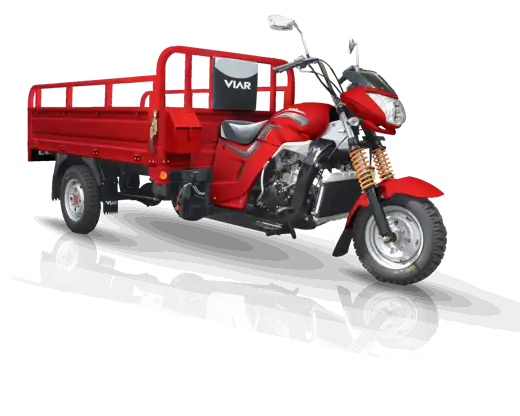
Until 30 November the KARYA 150 RLn is ₦2,650,000 and the 200 Ln ₦2,850,000, up to ₦650,000 below the standard price. Pay in full by bank transfer and collect at Idu, or take free delivery within Abuja.
2. Deposit and balance
A deposit reserves a unit and a colour; the balance is paid before collection. Because colours are allocated in order of confirmed payment, a deposit also secures a place in the queue during the launch period.
3. Bank and finance-partner loans
Zeetin works with banks and finance companies that lend against the vehicle itself. Institutions present at the plant launch included Ecobank and DMB Finance. The usual structure is a buyer's deposit with the balance repaid monthly from earnings; approval rests on each lender's own criteria, typically a valid ID, proof of address and, for businesses, CAC documents.
4. Cooperatives and fleets
Transport unions, farmer cooperatives and small logistics firms can buy in groups. Fleet quotations and volume pricing apply from five units, and group purchases are often easier to finance than individual ones.
5. Employer and vendor schemes
Some employers and distributors buy tricycles for their riders and recover the cost from deliveries. Zeetin's sales team can structure such a scheme with a dealer in the buyer's area.
One rule applies to every route: payment goes only into the Zeetin Technologies company account — Ecobank, 2510053980 — never in cash and never to a personal account.
Read next


Zeetin Technologies — Nigerian tricycle assembly company, NADDC certified, in partnership with VIAR — PT. Triangle Motorindo, Indonesia. Plant commissioned 21 October 2026.